
Aqueous Ammonia
Higher concentration for SCR/SNCR systems
Technical aqueous ammonia (NH₃ 25%) for industrial NOx emission reduction via SCR and SNCR systems. Used in energy production, cogeneration plants, industrial boilers, waste management, cement plants, and maritime. EN ISO 2072 certified.
Price
Request an individual quote
Price depends on volume, delivery frequency, and region. Request a quote from us.
or call: +372 655 9077What is aqueous ammonia 25%?
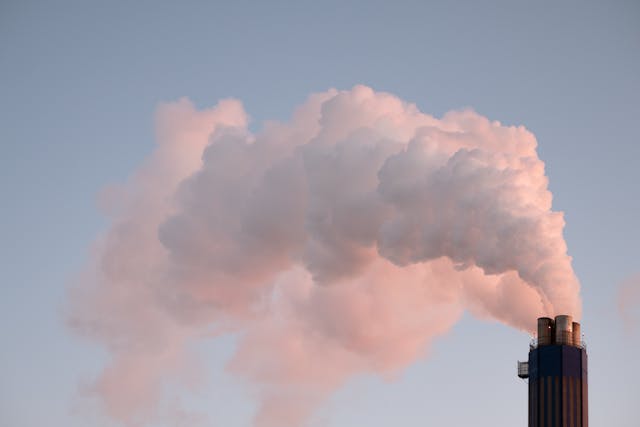
Aqueous ammonia 25% is an ammonia-based chemical widely used in industry to reduce harmful nitrogen oxide (NOx) emissions from combustion equipment. Stricter environmental regulations are driving decisive action to prevent smog and acid rain harmful to nature and human health.
The product is widely used in energy production, cogeneration plants, industrial boilers, waste management facilities, cement kilns, and the maritime sector. NOx emissions are reduced using SCR (selective catalytic reduction) and SNCR (selective non-catalytic reduction) systems, where ammonia solution injection reduces nitrogen oxide emissions by up to 95%.
What are nitrogen oxides (NOx)?
Nitrogen oxide (NOx) is a gaseous pollutant that forms mainly during combustion. The main sources of NOx are motor vehicles, power plant boilers, cement kilns, industrial boilers, cogeneration plants, glass industry, and oil refineries.
- →Nitrogen monoxide (NO): colorless and odorless gas, accounts for over 95% of NOx emissions. Contributes to acid rain, causes headaches, nausea, and eye irritation.
- →Nitrogen dioxide (NO₂): brown, foul-smelling gas, accounts for about 5% of NOx. Contributes to ozone and smog formation, causes respiratory failure.
Quality reagent and reliable supplier
When implementing emission reduction technologies, choosing a quality reagent and reliable supplier is equally important. Low-purity ammonia solution reduces SCR/SNCR system efficiency and can damage the catalyst. PrimeBlue supplies aqueous ammonia meeting EN ISO 2072 requirements with full GHS documentation.
SCR system
SCR (selective catalytic reduction) is based on the interaction of ammonia and NOx in the presence of a catalyst at 300 to 350°C. The ammonia solution is mixed with exhaust gas which passes through the catalyst layers and converts harmful gases into harmless nitrogen (N₂) and water vapor (H₂O).
SNCR system
SNCR (selective non-catalytic reduction) works similarly to SCR but without a catalyst. Efficiency depends on exhaust gas temperature in the reaction zone, ammonia solution injection frequency, and furnace configuration.
Transport and ADR requirements
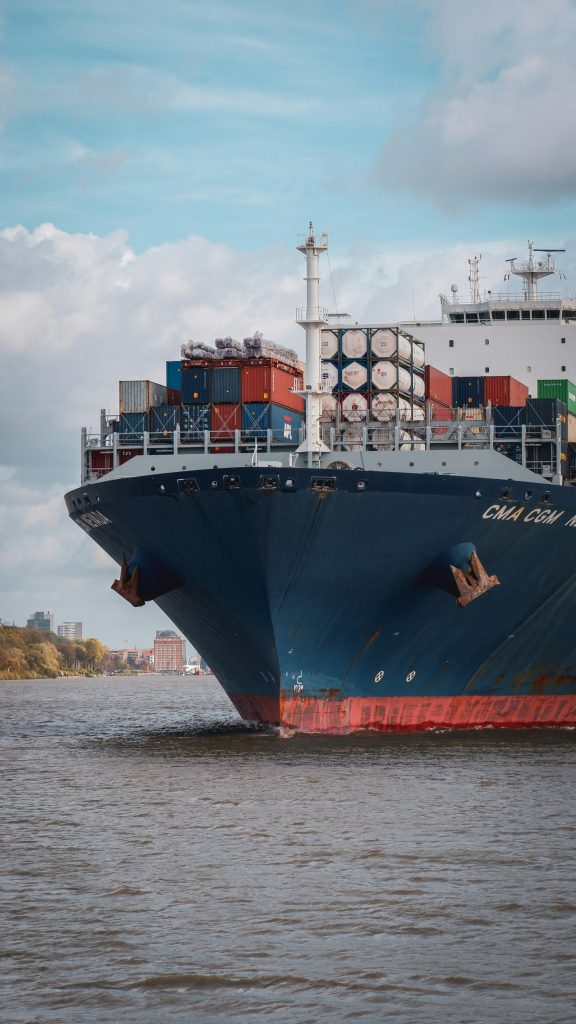
Aqueous ammonia up to 25% is easier to transport and store than higher-concentration ammonia. For this reason it is often transported cross-border. Product transport must comply with ADR/RID safety requirements.
Related Products
Ready to Reduce Your Emissions?
Fill out the form. We send a quote within the same business day.